OUR COURTS
Do you want to know more about our North East courts? Below you can read more about the court system and download information packs on each of our courts to help you better prepare for the day.

MAGISTRATES VS CROWN COURTS
All criminal cases start in a magistrates' court. The type and seriousness of the offence determines which court will handle the case.
MAGISTRATES COURT
All criminal cases start in a magistrates’ court.
3 magistrates or a judge are in charge. A magistrates' court normally handles cases known as 'summary offences'.
SUMMARY OFFENCES (MAGISTRATES ONLY)
- Most motoring offences
- Minor criminal damage
- Common assault (not causing significant injury)
'EITHER WAY' OFFENCES (MAGISTRATES OR CROWN)
- Burglary
- Drugs offences
Crown Court
Magistrates' courts always pass the most serious crimes to the Crown Court. These are known as 'indictable offences'.
A judge is in charge of a Crown Court.
INDICTABLE OFFENCES (CROWN COURT ONLY)
- Murder
- Rape
- Robbery
SENTENCES A CROWN COURT CAN GIVE
- Community sentences
- Prison sentences - including life sentences
WHO GOES TO COURT
If you require advice or support in relation to attending court, the Victim Care and Advice Service can help you understand who will be there and what each person's role is.
A defendant is someone who may have done something wrong and against the law. A trial happens when the defendant says they did not do the crime. The defendant says they are ‘not guilty’.
A witness saw, heard or knows something about what happened. The witness’ job is to tell the truth about what happened. You are a witness. At a court trial you will be asked questions about what you saw, heard or know.
All courts have witness supporters (the ‘Witness Service’). A witness supporter may also be a family member, a trusted friend, teacher, an Independent Sexual Violence Adviser (ISVA) or an Independent Domestic Violence Adviser (IDVA).
Anybody can go into a courtroom to watch what happens. The family or friends of the defendant or witnesses, may sit here for some trials. They sit in the ‘public gallery’.
Pre-Court or Pre-Trial Visit
It is helpful to ask the police or the Witness Care Unit for a visit to see the courtroom. The Witness Service can help you on your pre-court visit.
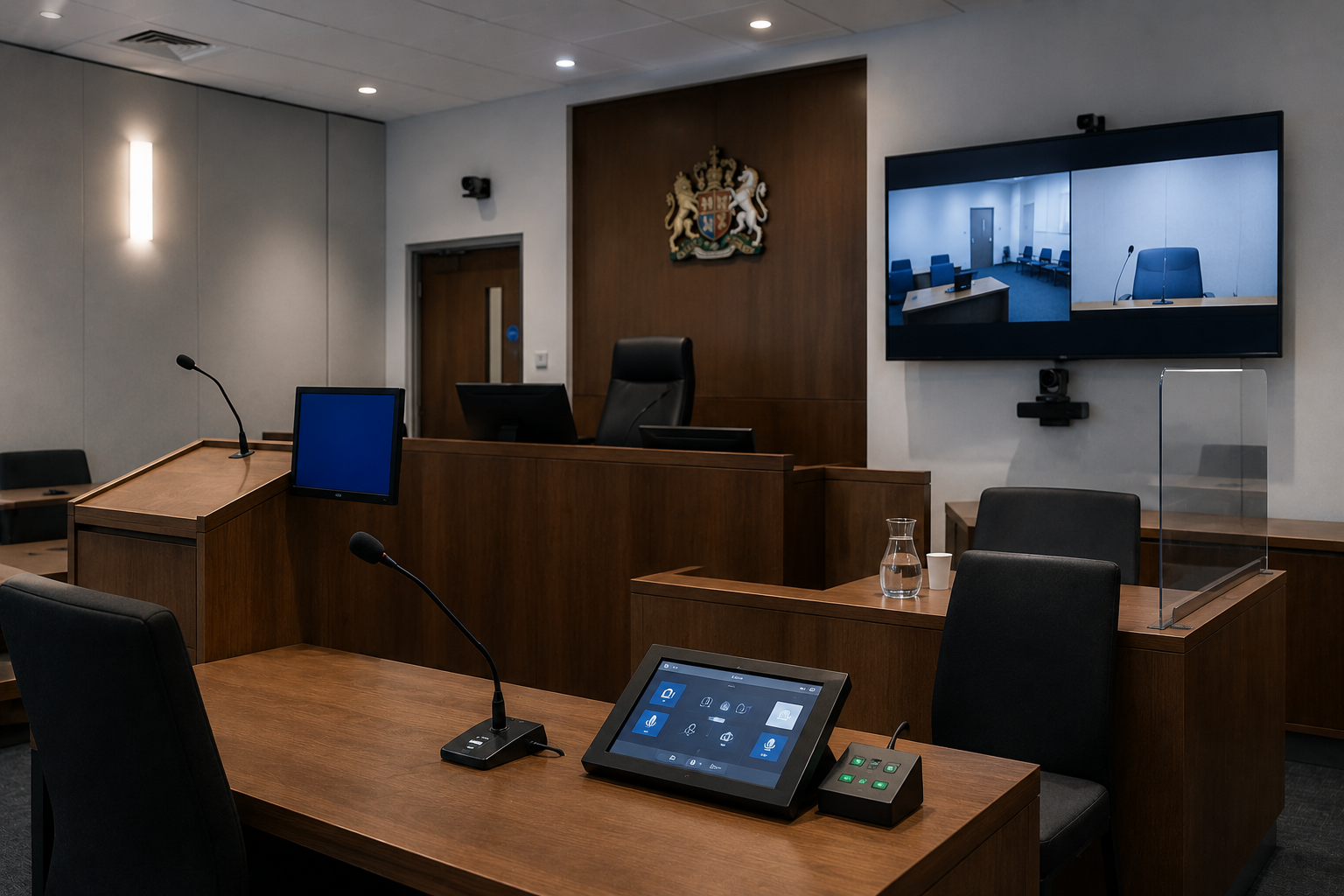
When the judge has said you can use the live link, it also helps to practise using the live link on your visit. This lets you think about the best way for you to answer the court questions.

Special Measures
‘Special Measures’ are things the court can do to help some witnesses.
A judge may grant special measures to eligible witnesses:
- Witnesses under 18 years old
- Those with communication needs
- Witnesses with mental health needs
- Those with a disability
Find Out More About Our Courts
Click on the links below to download an information pack for each of our North East courts. These packs will help you understand the layout and process before your visit.

Durham Crown Court
Newcastle Crown Court

Newton Aycliffe Magistrates Court
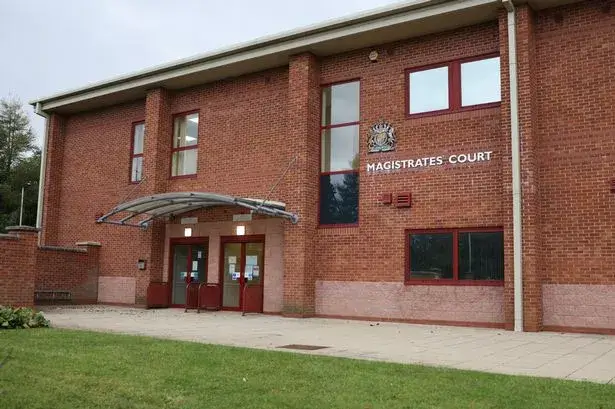
Peterlee Magistrates Court

Teesside Crown Court
FAQs
Please browse our FAQs below, and get in touch if you have any further questions.
The court may be able to take extra steps to protect you if you:
- are under 18
- have a mental or physical disability
- are afraid to give evidence
- are likely to go through suffering in giving evidence, because the nature of the crime or case is extremely distressing.
- are a victim of a sexual offence
- have been a victim of crime repeatedly - for example you’re being harassed or stalked
- are a victim of other serious crimes, such as domestic violence or attempted murder
You may be required to go to court, we can help you if you are required to do so.
This is different for each and every investigation and can sometimes take in excess of 12 months, the Victim Care and Mentor Service can provide you with support throughout the entire Criminal Justice process, from your report of the crime to the police, to court and beyond if that is required.
Getting a witness warning means you will have to go to court on the day of the trial and give evidence if you're asked to. We are here to offer advice; support and help with any concerns you may have about giving evidence.
A visit to the court beforehand is recommended. The Witness Service will show you around the court and will do this before the trial date. We can make a referral for you to the Witness Service if this is something you require
Want To Know More?
Get in touch with our team to find out how we can help you.